One Status Field Meant Three Different Things
Exploring the ambiguity of overloaded status fields and their impact on operational data integrity.
Explore practical cases about fields, relationships, ownership, downstream impact, and schema decisions that define modern data engineering.

We leverage a specialized stack of industry-standard tools and custom-built frameworks to manage schema evolution, track data lineage, and ensure the reliability of complex database systems.
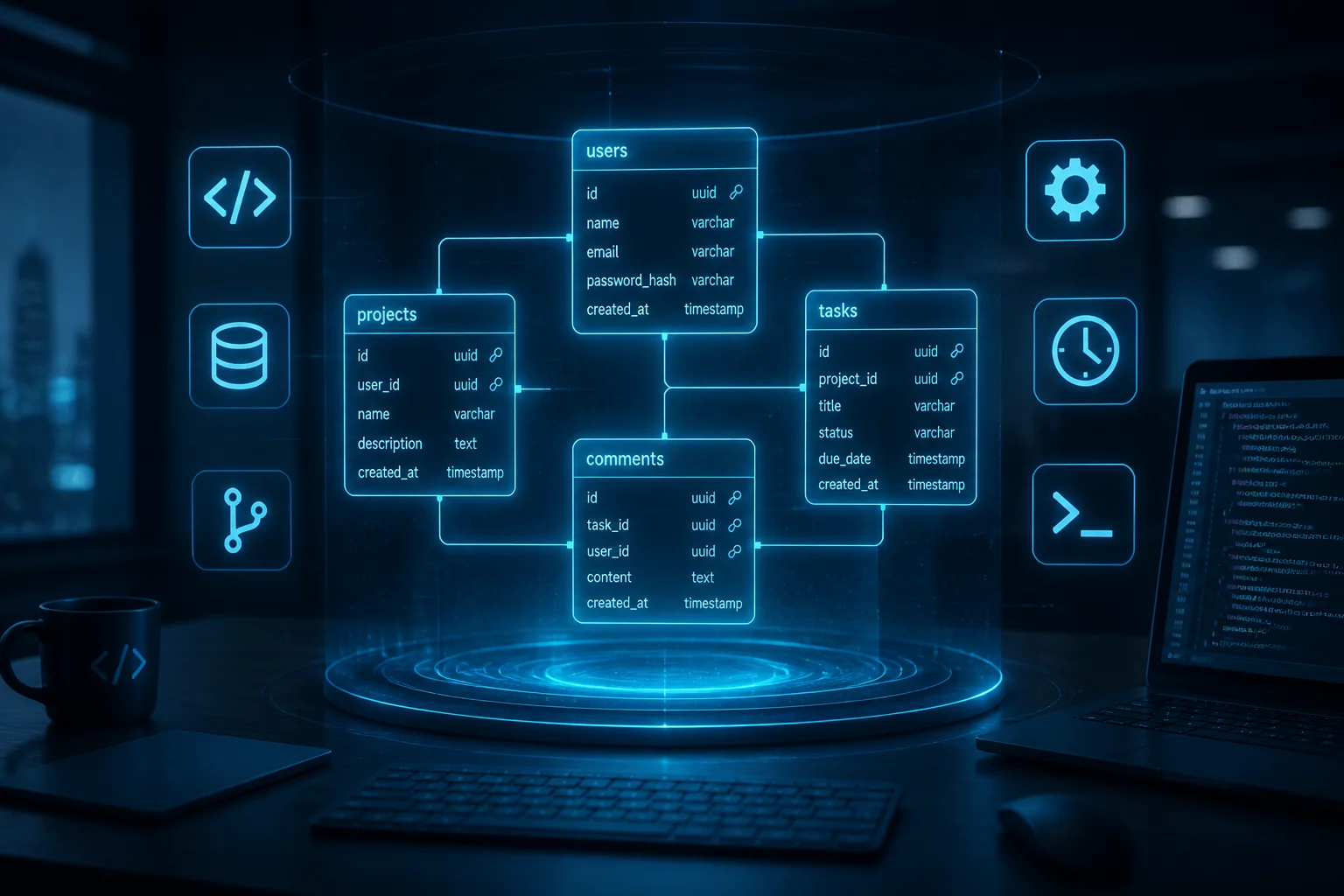
Automated schema evolution and version control for modern development teams.
Explore CaseTracking structural changes with precision using advanced migration platforms.
Explore CaseDeep-dive schema inspections and manual review processes for high-stakes changes.
Read the pgAdmin CaseLeveraging AI to automatically map and discover complex cross-schema relationships.
Explore CaseIdentify hidden downstream risks and ownership gaps before they break your production. Get our exclusive 25-point Database Health & Impact Checklist used by senior data engineers.
Verify if your status fields and relationships match the actual business logic.
Analyze how schema changes ripple through your BI and reporting layers.
Establish clear table ownership to prevent abandoned data structures.
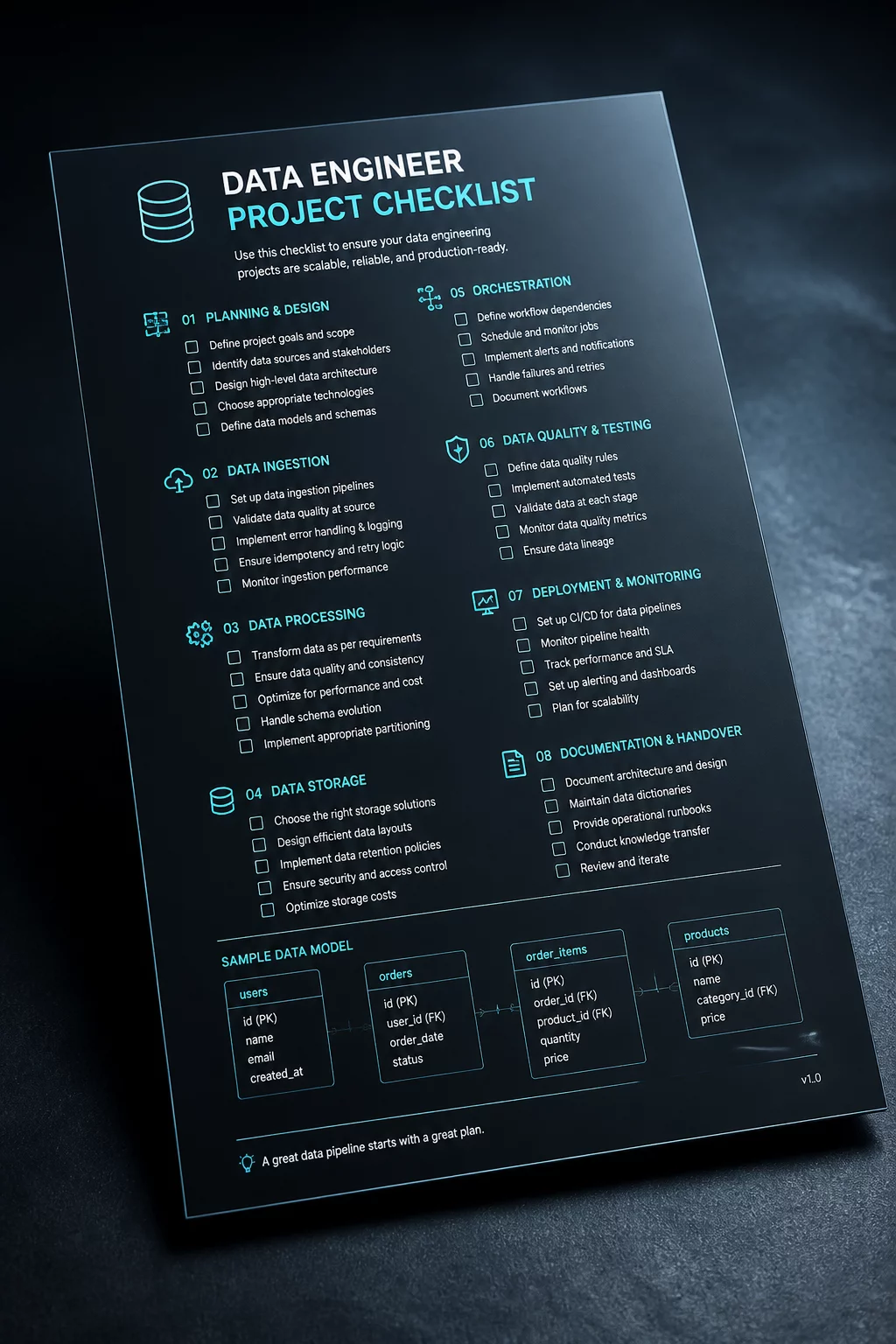
Enter your details to receive the PDF guide via email.
At TableReason Case Files, we don't just document changes; we dissect the mechanical and semantic intent behind every byte. Our process involves deep architectural archeology and cross-team impact simulations.

We trace the history of a table to understand why specific fields were created, identifying the original intent that often gets lost during rapid scaling.
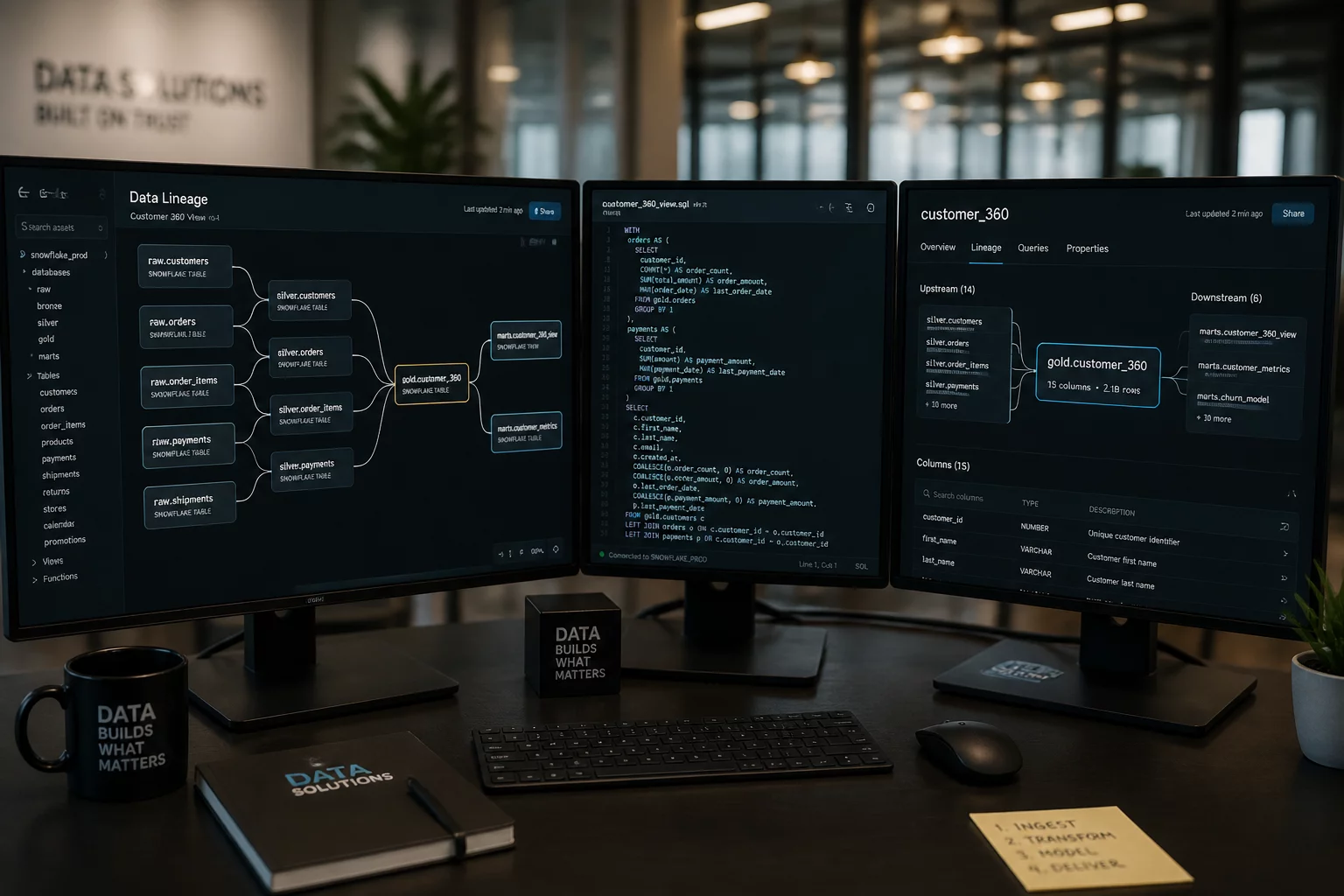
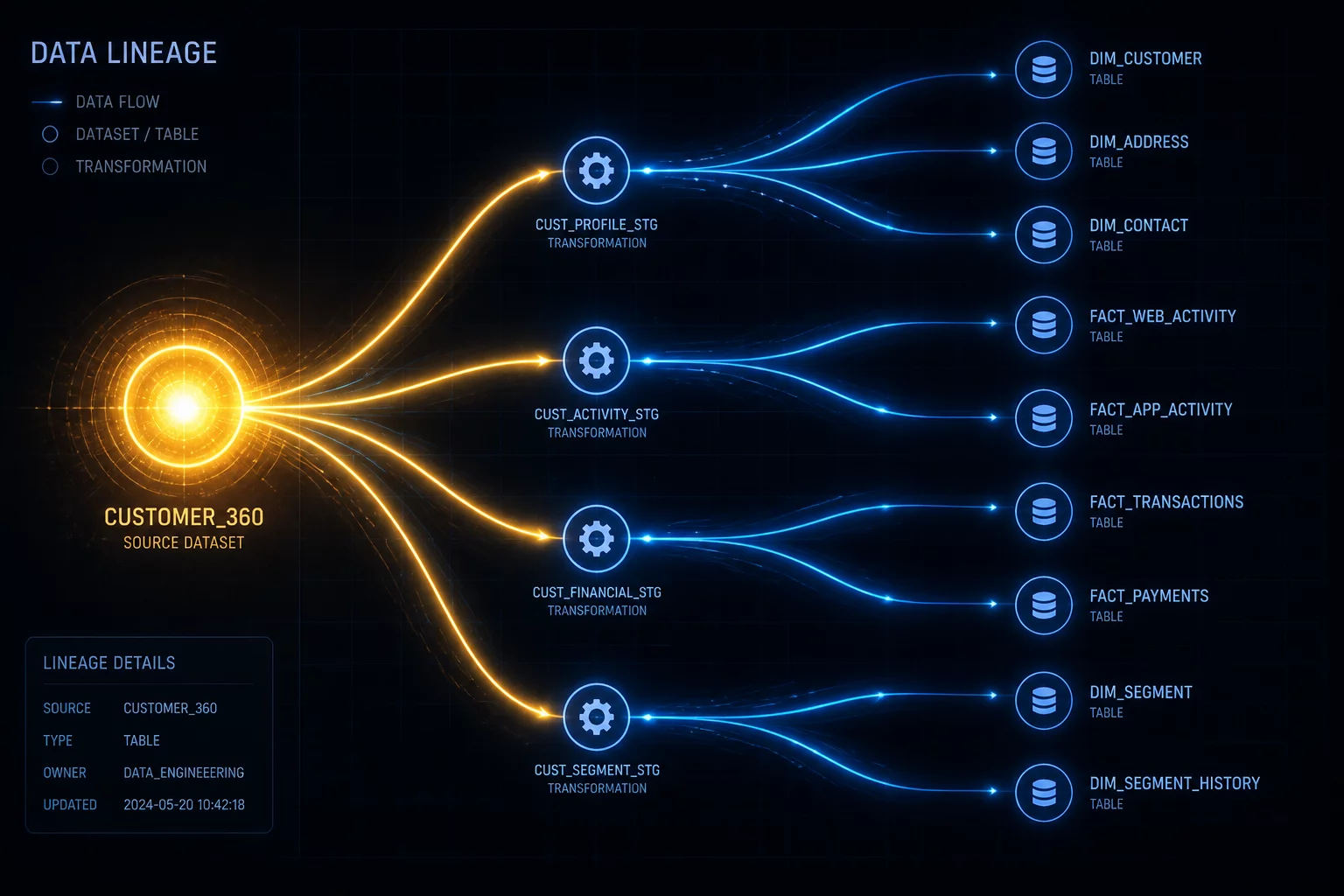
Using lineage analysis, we map how a single column change ripples through downstream BI systems and analytical reporting layers before deployment.

Every migration is turned into a structured case study, ensuring that technical debt is transformed into organizational intelligence for future engineers.
Leading technical publications and engineering journals discuss the impact of TableReason Case Files on database architecture and data ownership.
A masterclass in database semantics. TableReason provides the missing context for complex migrations that documentation often ignores.
The most practical guide to schema ownership we have seen this year. Essential reading for any lead engineer.
TableReason turns dry technical documentation into engineering art, making impact analysis accessible and actionable.
Essential for teams scaling beyond a single database. The downstream impact analysis tools are a game changer.
Clear protocols for database engineering partnerships, ensuring transparency and technical alignment from audit to production.
A 50% upfront payment is required to initiate deep-dive schema audits and resource allocation for your specific database environment.
Engagement costs are split across key delivery phases: 25% upon staging environment validation and the final 25% after production verification.
All schema modifications requested after the initial scope approval require a formal Impact Analysis Report and a signed contract amendment.
Select a core service to begin our technical engagement process.
Practical insights into database schema transitions, data lineage challenges, and downstream system impact analysis.
Exploring the ambiguity of overloaded status fields and their impact on operational data integrity.

How a minor schema addition disrupted legacy business intelligence reports and how it was resolved.
Analyzing valid foreign keys that lead to incorrect data interpretations in complex join logic.

The risks of orphan data tables and the engineering effort required to re-establish ownership.
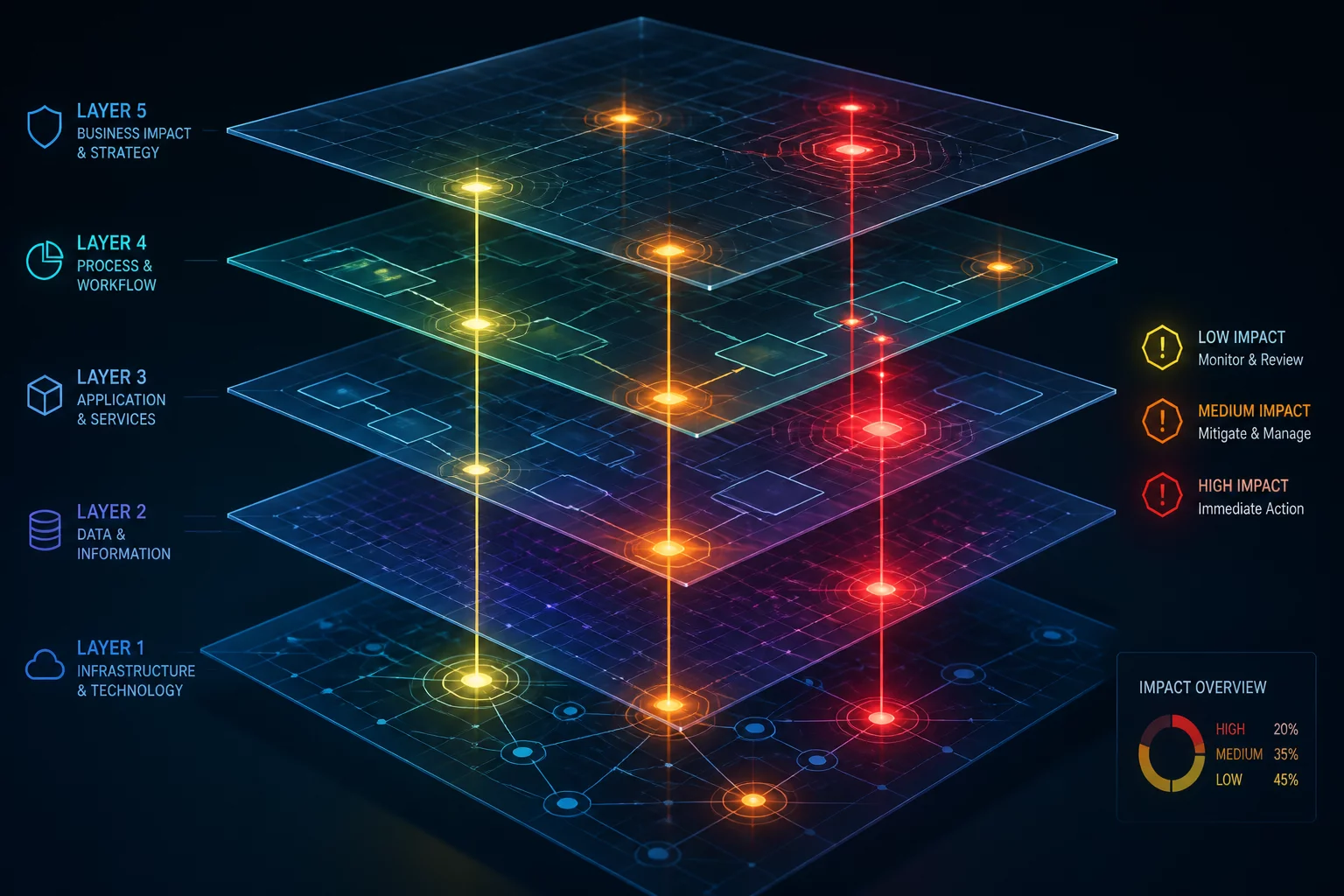
Explore how schema modifications ripple through data pipelines, BI systems, and dependent applications.