Database Change Cases
A comprehensive collection of technical studies exploring the complexities of schema management, data integrity, and cross-team collaboration.

A comprehensive collection of technical studies exploring the complexities of schema management, data integrity, and cross-team collaboration.
Understanding the ripple effects of database changes is critical for maintaining system stability. Our analysis dives deep into how schema modifications influence downstream applications, reporting tools, and data consumers.

An analysis of overloaded status fields and their impact on system logic and maintenance.

How minor schema additions can alter critical reporting metrics and data interpretation.

Exploring cases where data integrity exists without semantic accuracy in entity relationships.

Discussing the risks and maintenance overhead of orphan database tables and ownership gaps.
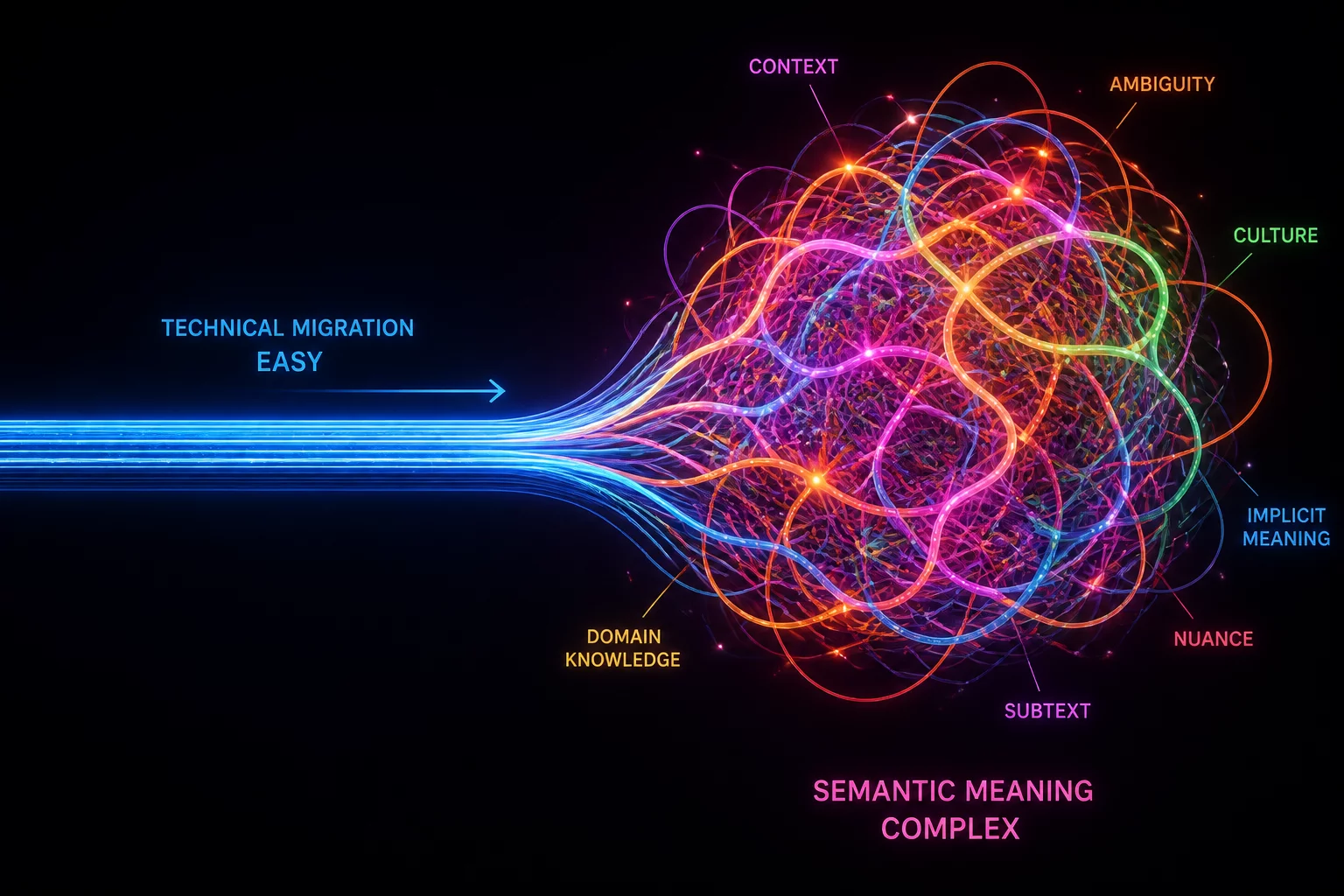
Lessons learned from focusing on data movement over data interpretation and semantic shift.

Analyzing the ripple effects of localized database changes in integrated microservice environments.

Best practices for managing large-scale, high-security database deployments and migrations.

Leveraging Atlas toolsets to ensure consistent and safe schema evolution across development.

Strategies for distributing database ownership and management without sacrificing system stability.

Enhancing productivity by refining workflows and reducing friction in database changes.

Improving system uptime and data health through structured change management practices.

Deep dive into the industry-standard pattern for zero-downtime database schema refactoring.

Using automation to map and manage hidden dependencies across multi-schema environments.

Core principles and guide for building scalable and maintainable data models in engineering.

Moving from manual scripts to formal abstractions for managing database state evolution.
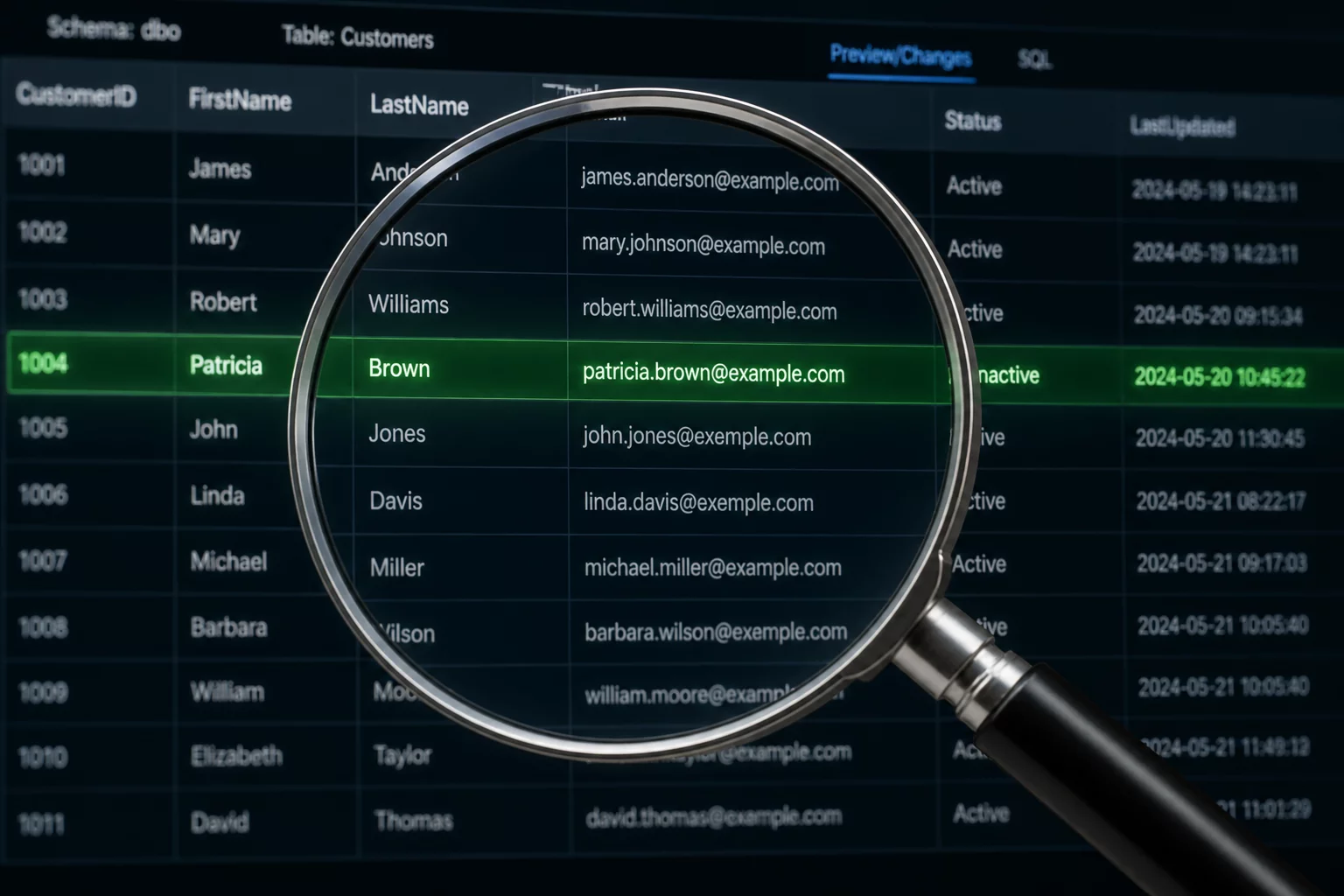
A case study on reviewing schema changes within pgAdmin for cross-functional engineering teams.