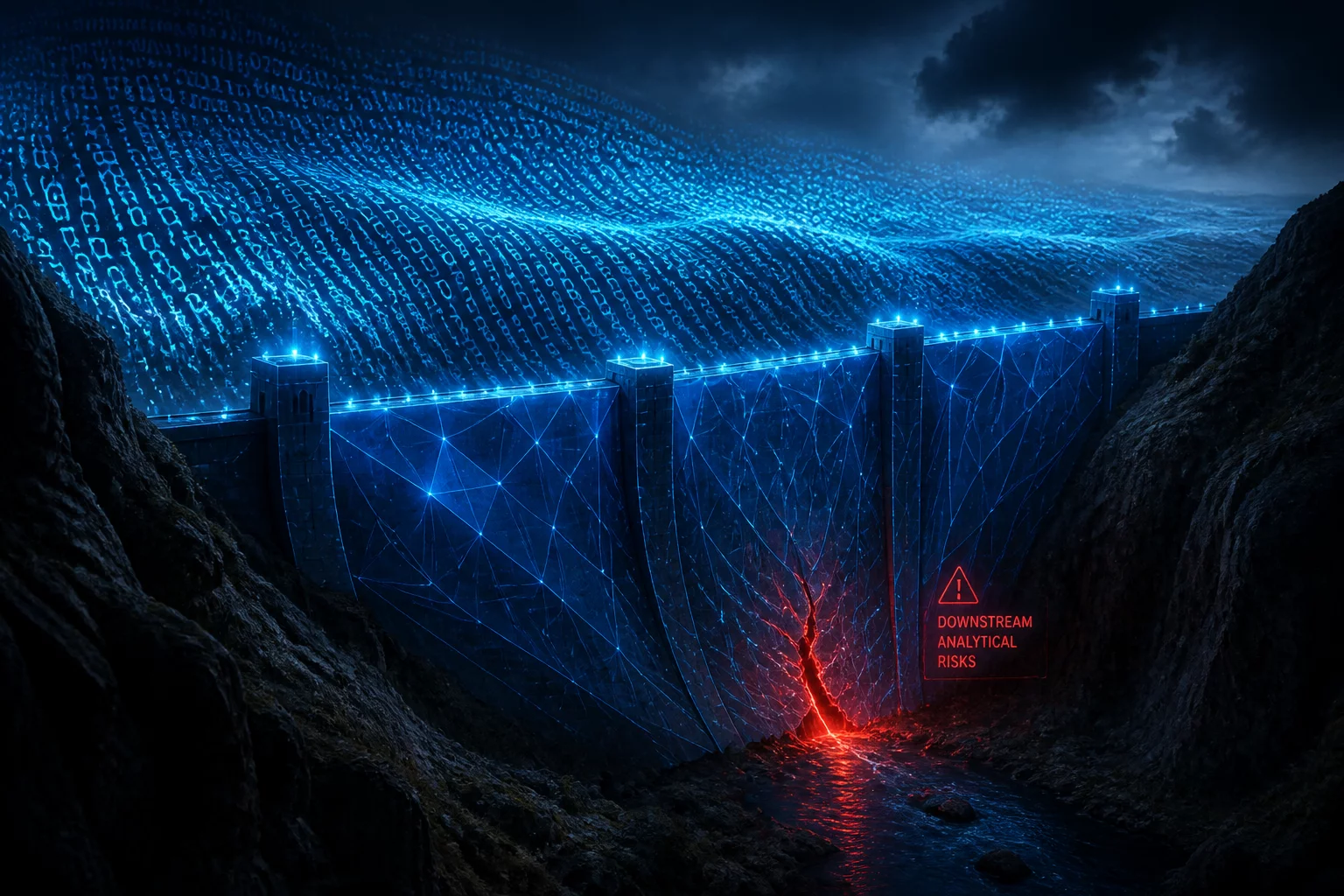
Analytical infrastructure represents the backbone of modern organizational decision-making, yet it often functions as a house of cards. While development teams focus on the stability of core production services, the data pipelines feeding Business Intelligence (BI) tools and executive dashboards are frequently overlooked. A single schema modification in an upstream transactional database can trigger a catastrophic failure downstream, leading to corrupted reports and stalled analytics operations.
The Invisible Wall Between Development and Analytics
In many engineering cultures, a clear divide exists between the teams building features and the teams analyzing data. This lack of coordination means that when a developer renames a field or changes a data type to optimize a microservice, they might not realize that a critical ETL (Extract, Transform, Load) job depends on that exact structure. These silent failures do not always trigger immediate alerts in production. Instead, they manifest as empty dashboard widgets or, even worse, mathematically incorrect totals that mislead management.
Categorizing Downstream Risks
The risks associated with analytical infrastructure generally fall into three categories. Technical failures are the most obvious, occurring when a query simply crashes because a table no longer exists. Semantic shifts are more dangerous; they happen when the data continues to flow, but its meaning has changed (e.g., a status code '0' changing from 'Pending' to 'Archived'). Finally, operational risks involve the degradation of data trust. Once stakeholders realize their reports are unreliable, the entire purpose of the analytical infrastructure is defeated.
Strategies for Resilient Data Architecture
Mitigating these risks requires more than just better tools. It demands a shift in how teams view data ownership. Implementing a Change Impact Analysis Framework allows teams to visualize the lineage of every field. By treating analytical consumers as primary stakeholders in the migration process, organizations can ensure that schema updates are communicated and tested against reporting layers before they go live. Building this observability into the CI/CD pipeline ensures that no change breaks the flow of information.
Comments & Discussion
Fiona
02/05/2026Downstream risks are often ignored until it is too late. I've spent too many weekends fixing broken Looker dashboards because someone changed a column type without a heads-up.
Leave a message